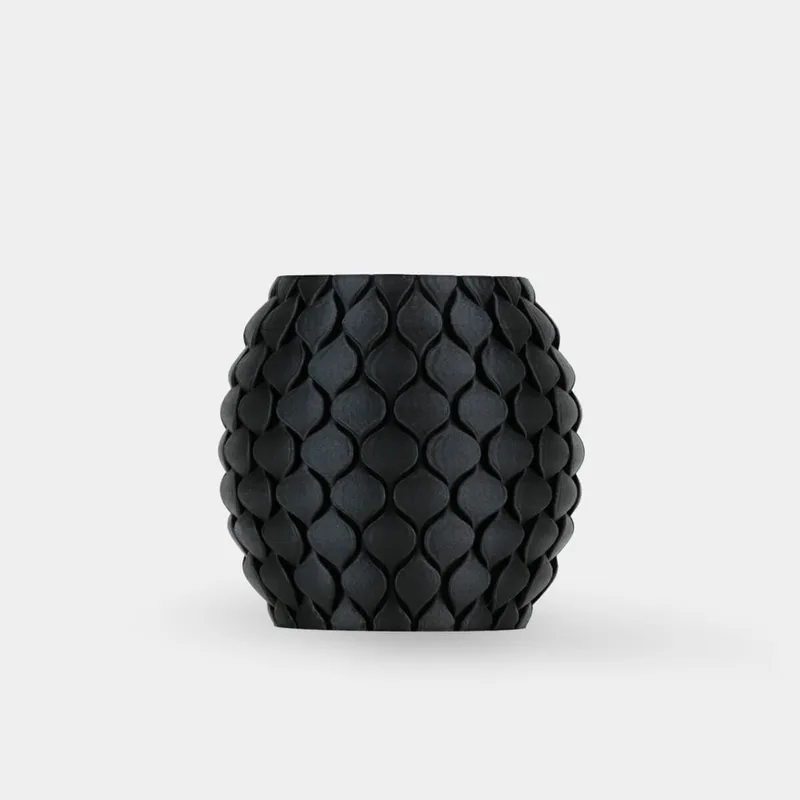
PA6-CF
Kayf3D PA6-CF is a high-strength and high-rigidity material with excellent heat resistance and dimensional stability, making it suitable for printing high-strength engineering parts.
Individual pricing on request
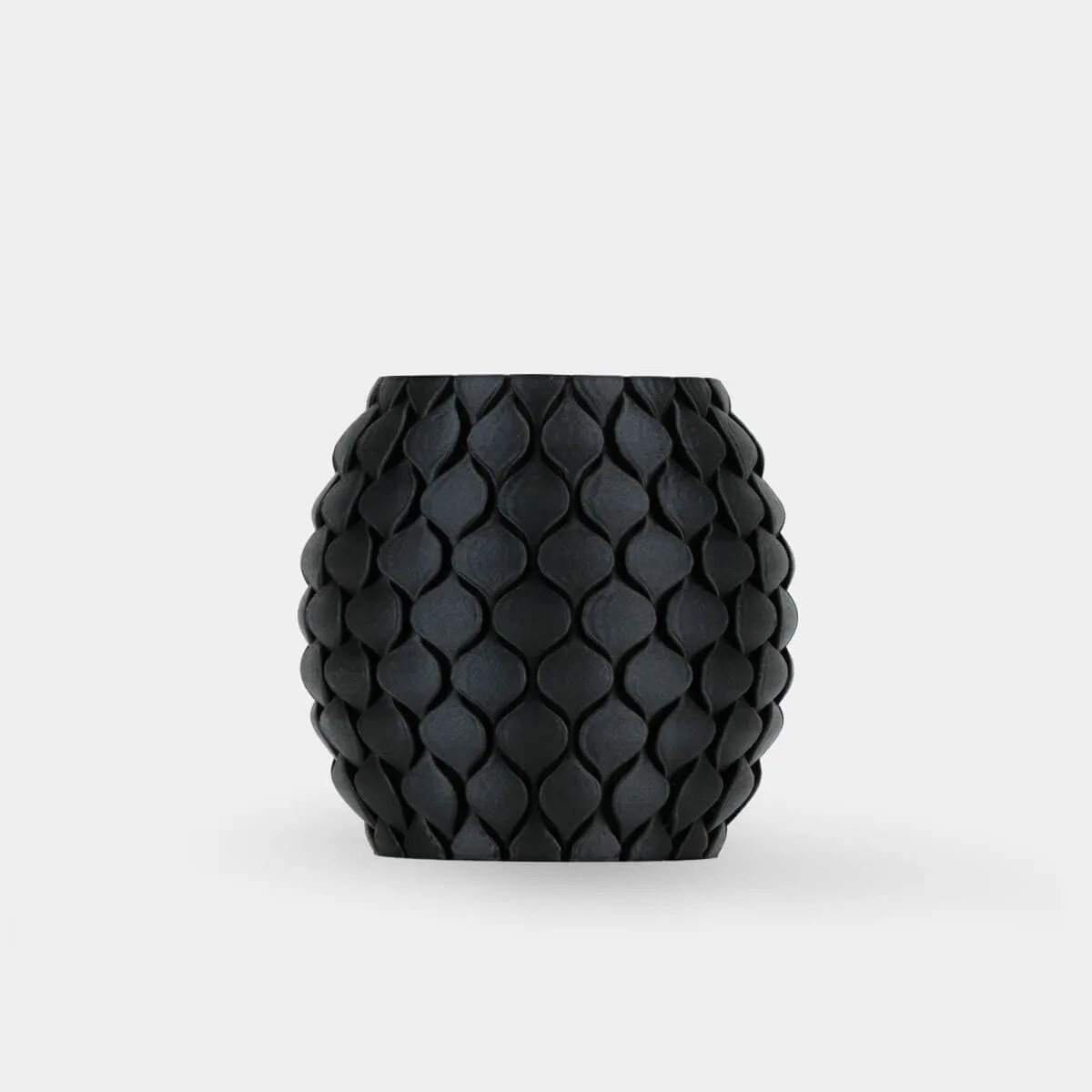
Kayf3D PA12 Carbon Fiber (PA12-CF) offers lower moisture absorption and superior dimensional stability compared with PA6, making it suitable for printing high-precision engineering components.
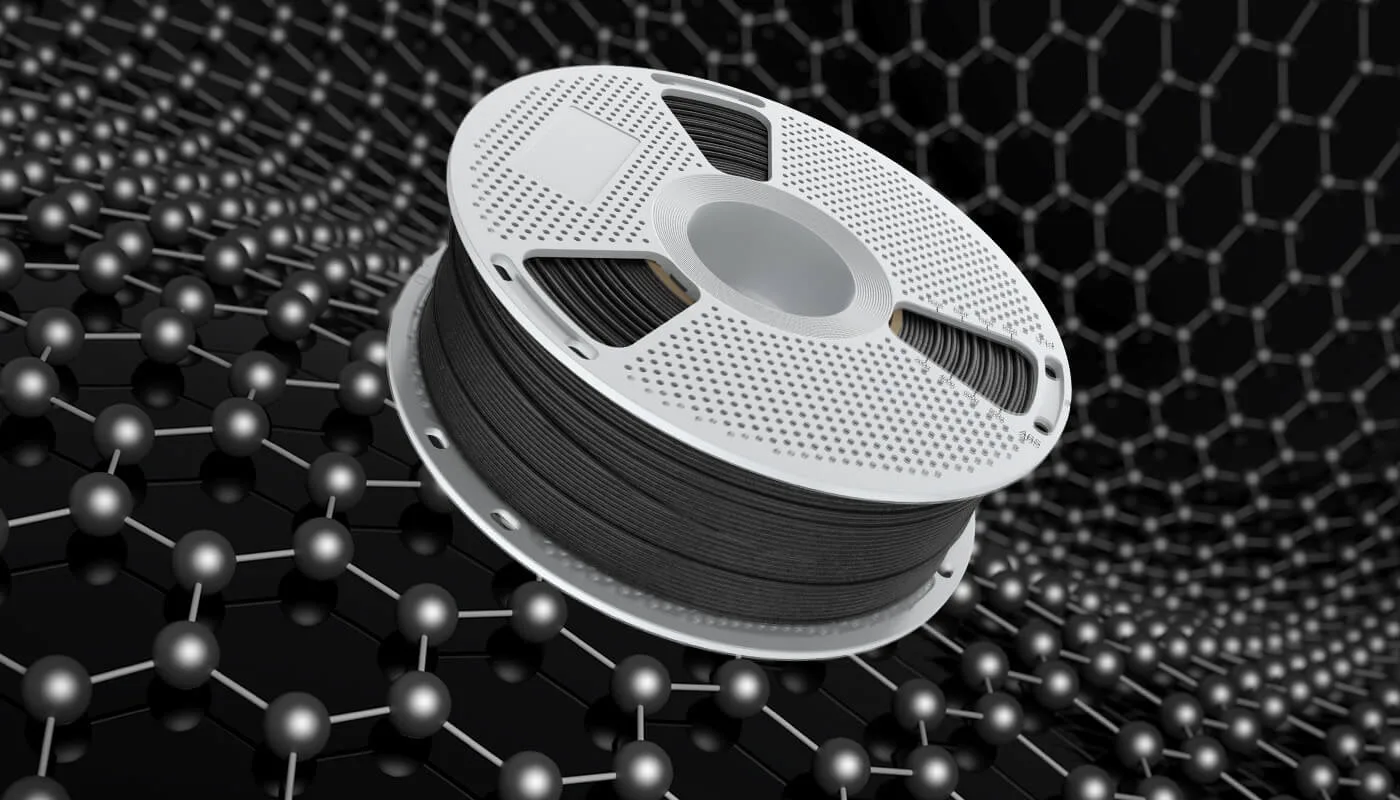
This filament contains 20% high-strength carbon fiber, greatly enhancing the impact resistance and durability of printed models. Even when subjected to drops, impacts, or compression, printed parts can maintain structural integrity and resist breakage or damage. The addition of carbon fiber not only improves part rigidity but also maintains smooth printability, allowing users to create high-strength and high-toughness functional components. It is ideal for engineering applications, mechanical parts, and models that require high load-bearing performance.
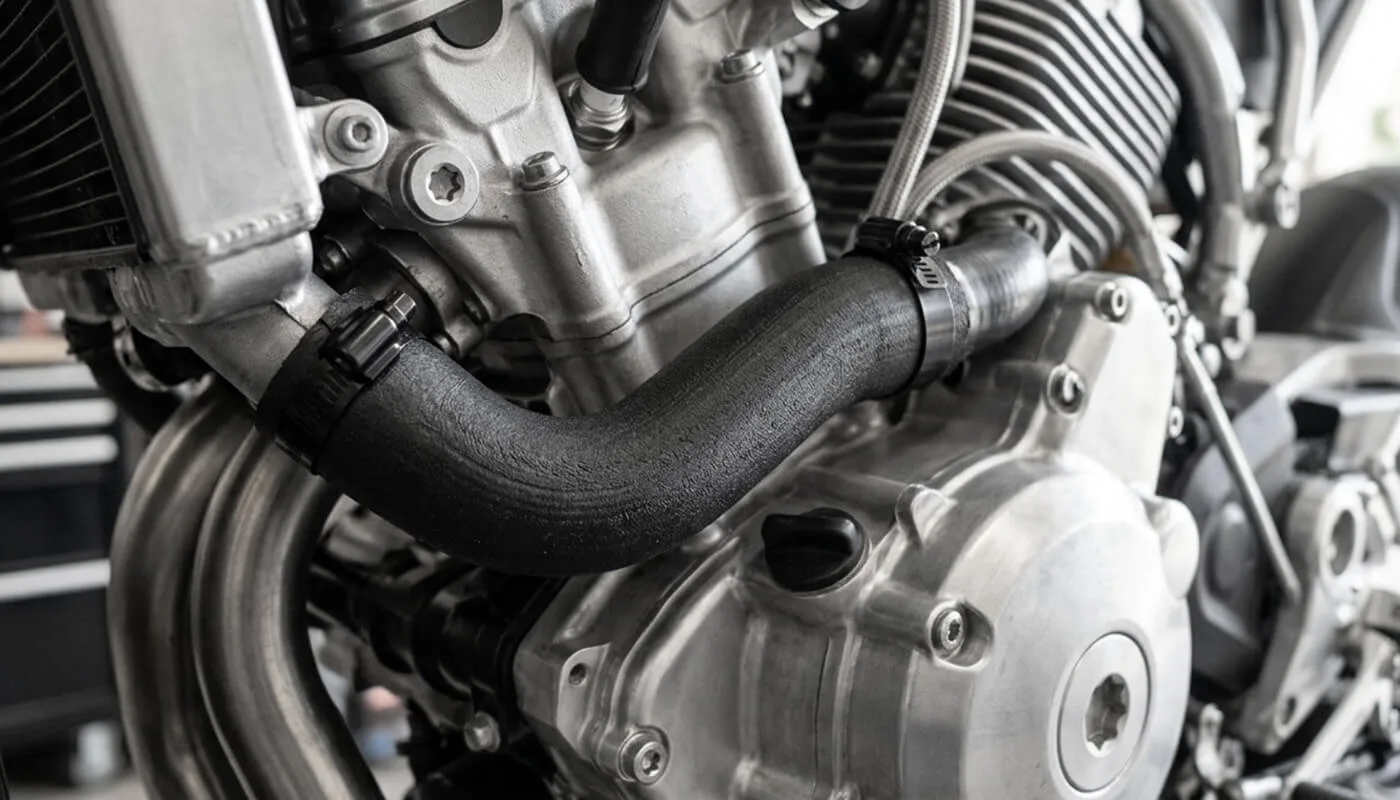
With a heat deflection temperature of up to 175°C, printed parts can maintain stability and structural integrity even in high-temperature environments or during long-term engineering operations. Whether used for mechanical housings, industrial tools, or functional components under elevated temperatures, the material ensures models remain resistant to deformation and warping caused by heat. This excellent thermal stability allows reliable use across various engineering applications and meets real-world project requirements.
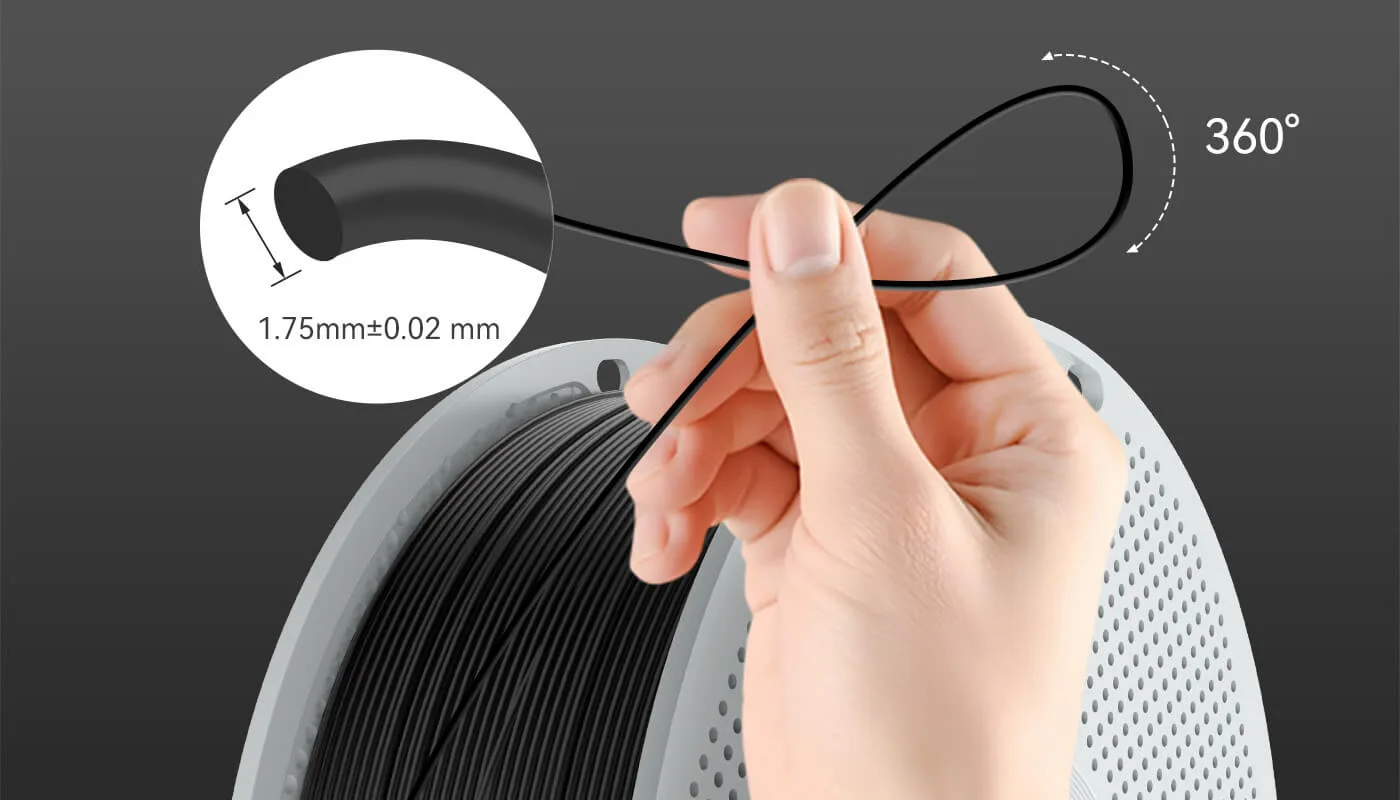
The filament is strictly controlled within a 1.75±0.02mm diameter tolerance range, ensuring consistent and uniform filament quality. The high-precision diameter allows smooth extrusion through the nozzle, reducing clogging and filament breakage while improving dimensional accuracy and surface finish of printed parts. This precise control enables stable compatibility with various FDM printers and different printing tasks, delivering smoother, more efficient, and reliable printing performance.
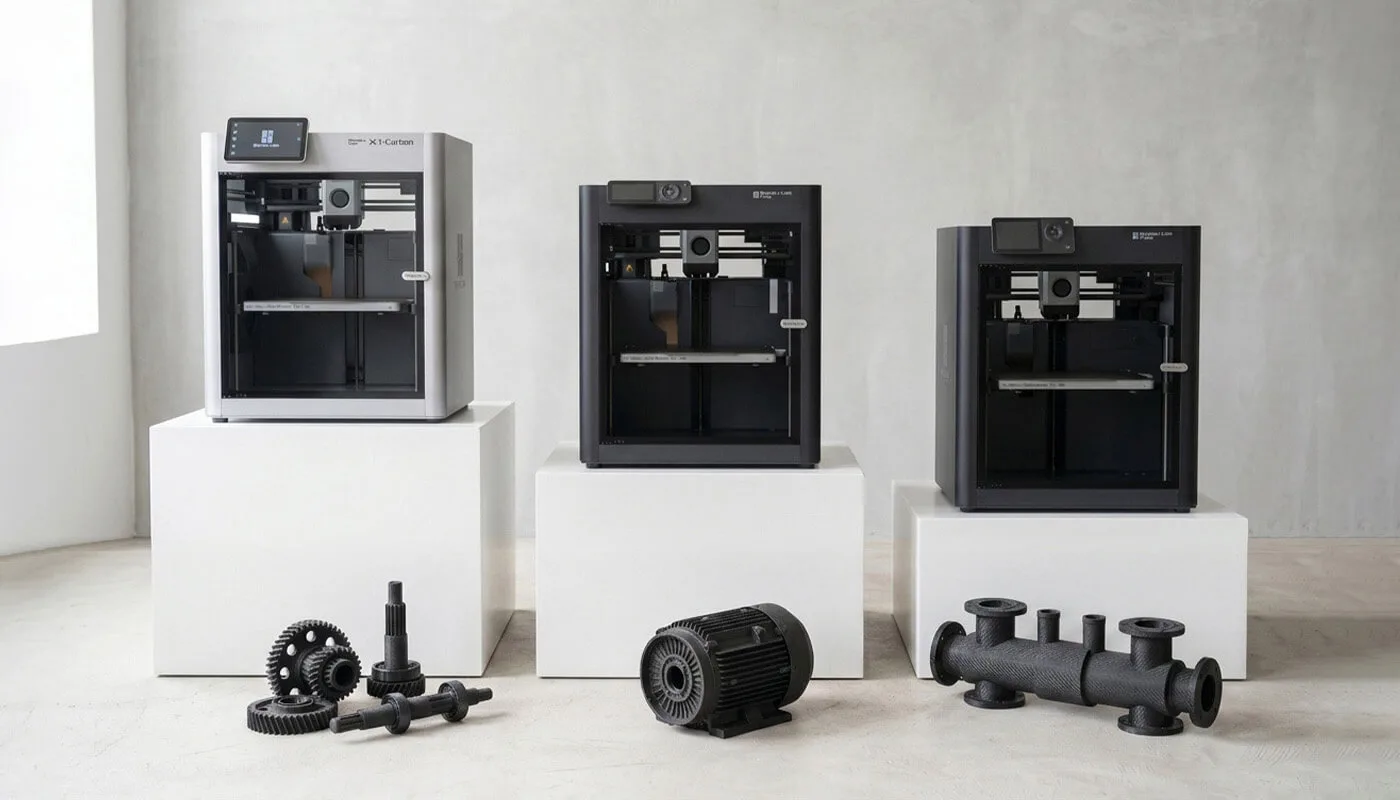
This filament has been extensively tested for compatibility with most FDM 3D printers available on the market, including desktop models and mainstream open-source machines. Users can print directly without complicated calibration or adjustments. The high compatibility reduces material selection risks, saves setup and troubleshooting time, and ensures stable, efficient, and high-success-rate printing, providing great convenience for engineering applications and functional part production.
Kayf3D PA6-CF is a high-strength and high-rigidity material with excellent heat resistance and dimensional stability, making it suitable for printing high-strength engineering parts.
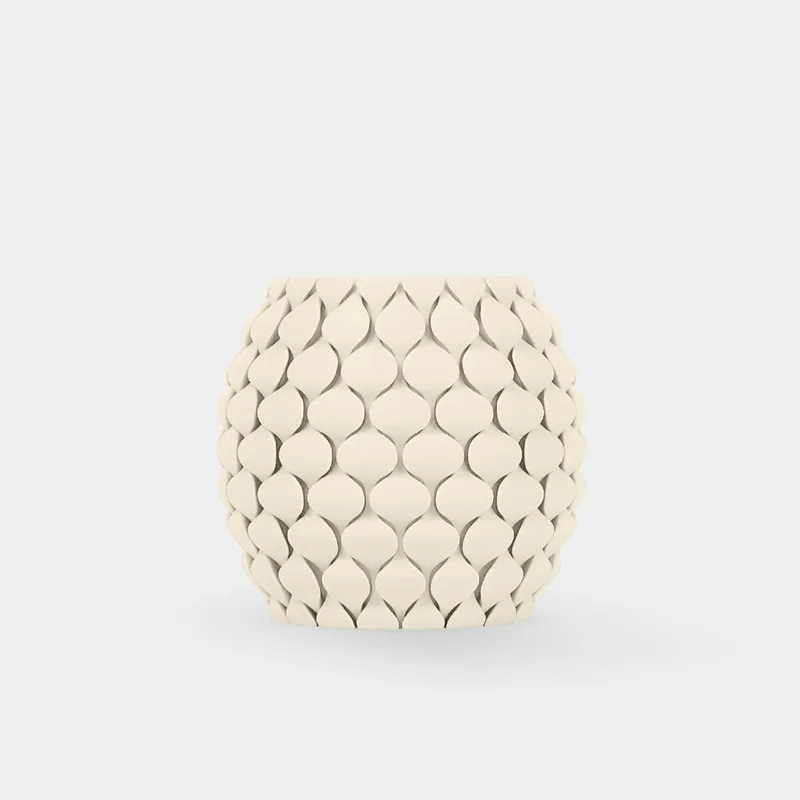
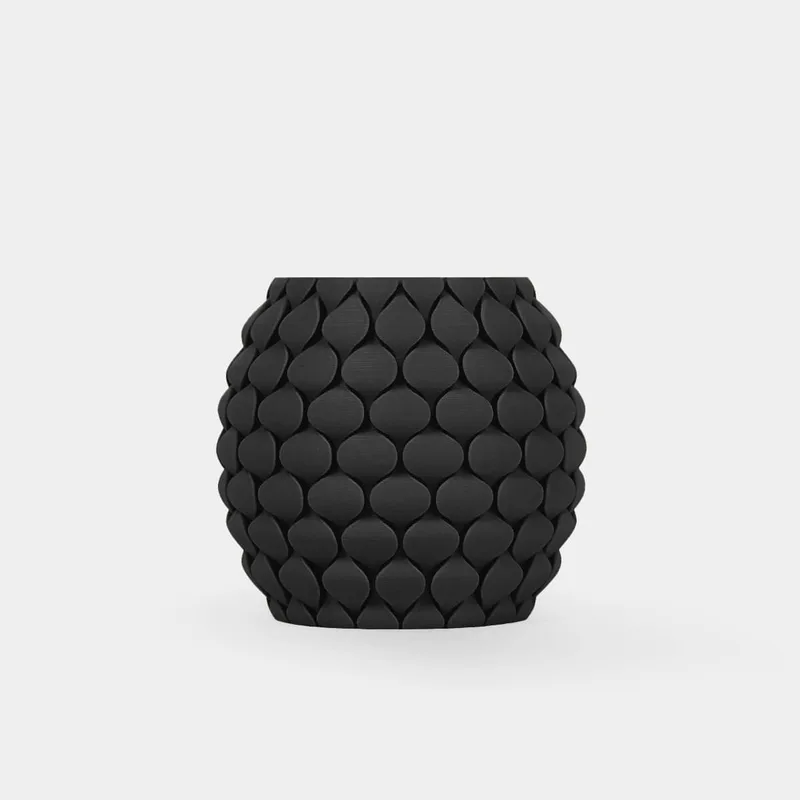
Kayf3D Easy PA is optimized for printability based on the high strength of nylon, reducing the impact of warping and moisture absorption.
Kayf3D PC-ABS is a high-performance composite material that combines the strength of PC with the characteristics of ABS, offering excellent durability, heat resistance, toughness, and processing stability.
Kayf3D PC is a high-toughness, high-strength, and heat-resistant engineering plastic with excellent impact resistance.
Kayf3D PP is a lightweight, low-density material with excellent chemical resistance and fatigue resistance, ideal to create fold-resistant and impact-resistant functional parts.
Kayf3D ABS-FR features V0 flame-retardant performance while maintaining strong mechanical properties and dimensional stability for safety-critical applications.