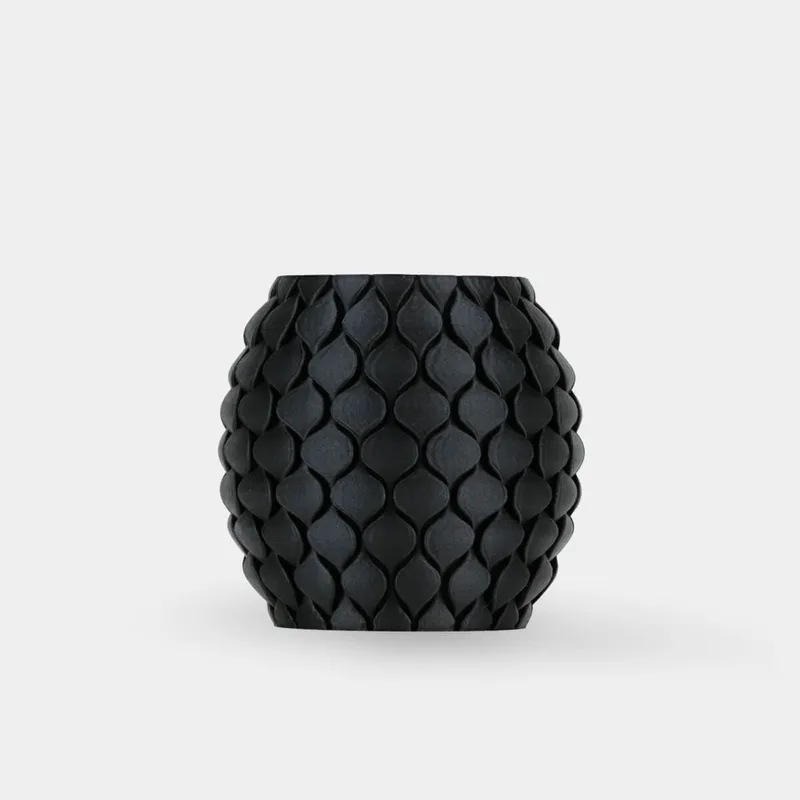
PA12-CF
Kayf3D PA12 Carbon Fiber (PA12-CF) offers lower moisture absorption and superior dimensional stability compared with PA6, making it suitable for printing high-precision engineering components.
Individual pricing on request
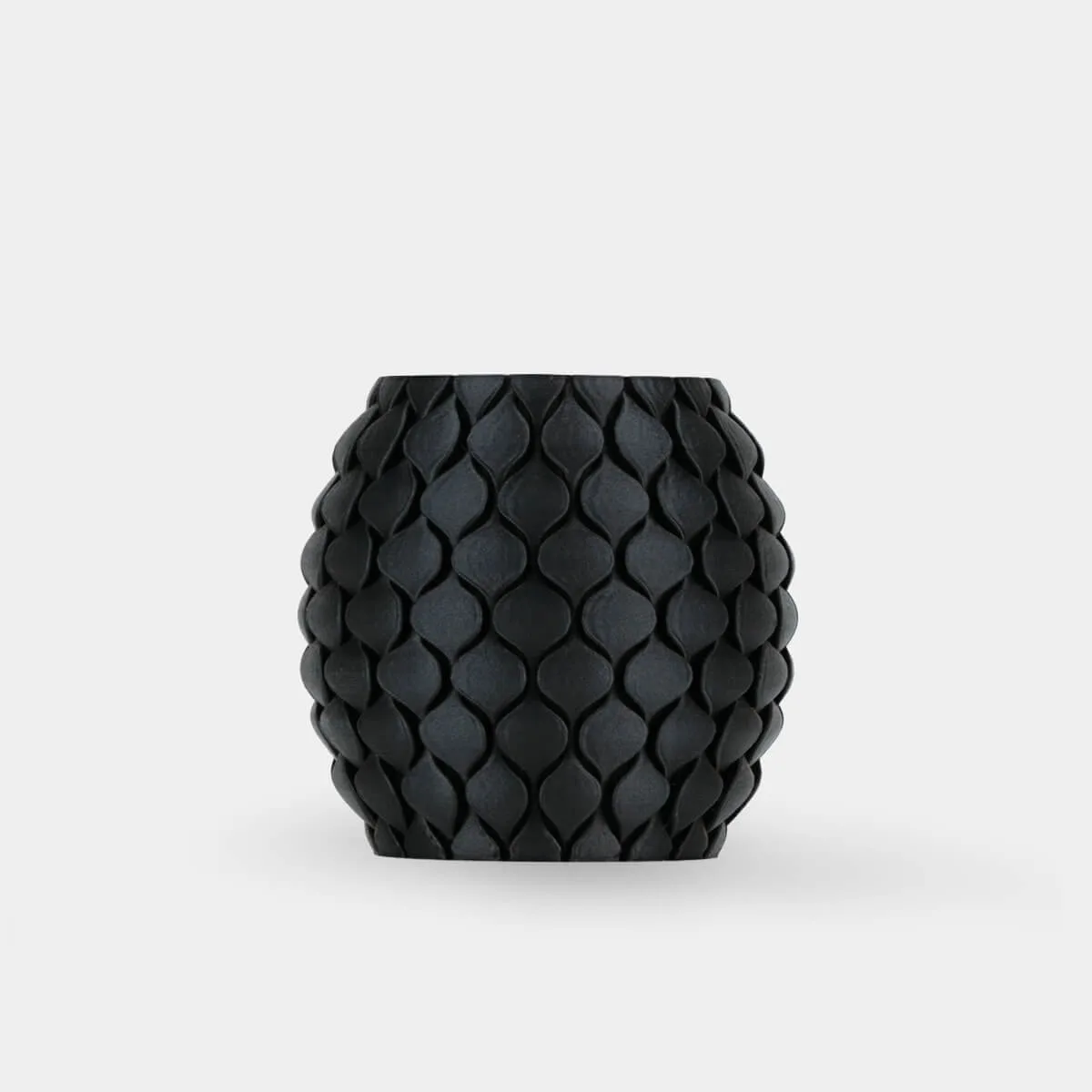
Kayf3D PA6-CF is a high-strength and high-rigidity material with excellent heat resistance and dimensional stability, making it suitable for printing high-strength engineering parts.
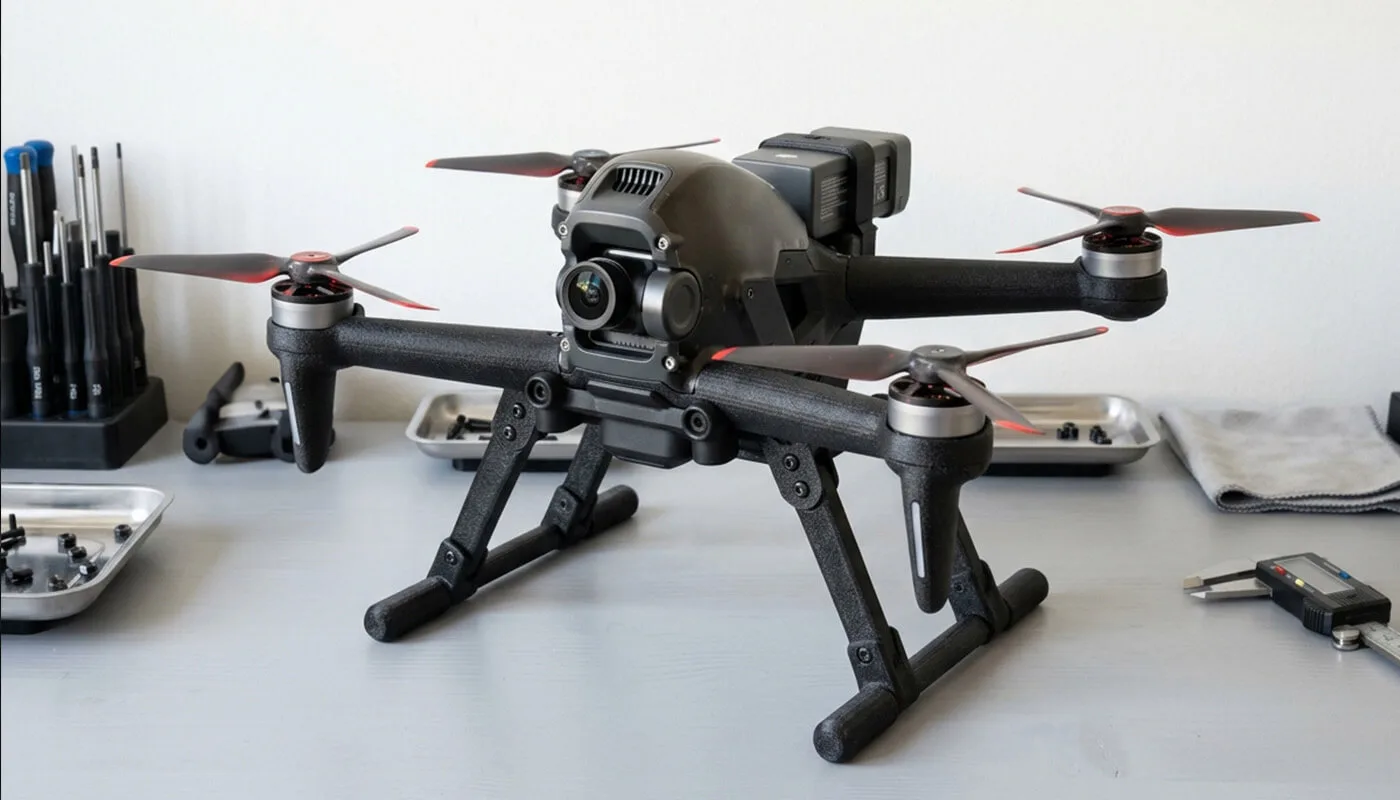
This filament is reinforced with 20% high-strength carbon fiber, significantly improving the stiffness and strength of printed parts compared with conventional PLA or ABS materials. It is especially suitable for functional components requiring high load capacity or mechanical stress resistance, such as gears, structural supports, and tool accessories. The addition of carbon fiber enhances material performance while maintaining controllable printing characteristics, allowing users to easily achieve high-strength and highly reliable prints for industrial and professional applications.
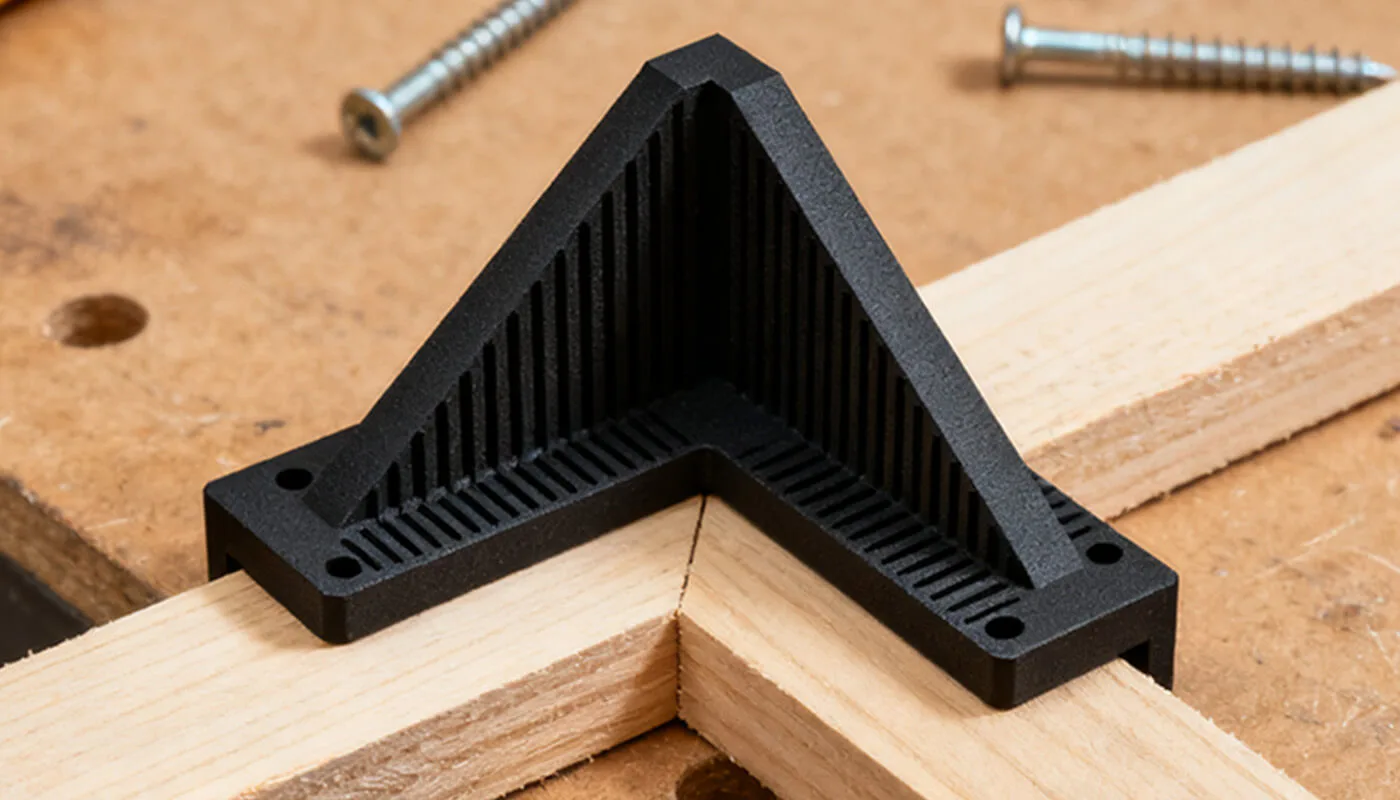
The material features outstanding toughness and impact resistance. Even when printed parts experience impacts, compression, or minor drops during use, they can maintain structural integrity and resist breakage. Whether used for functional components, mechanical structures, or models subjected to daily loads, it provides reliable durability. This high toughness makes printed parts more stable in practical applications, reduces material waste, and enhances user confidence and experience.
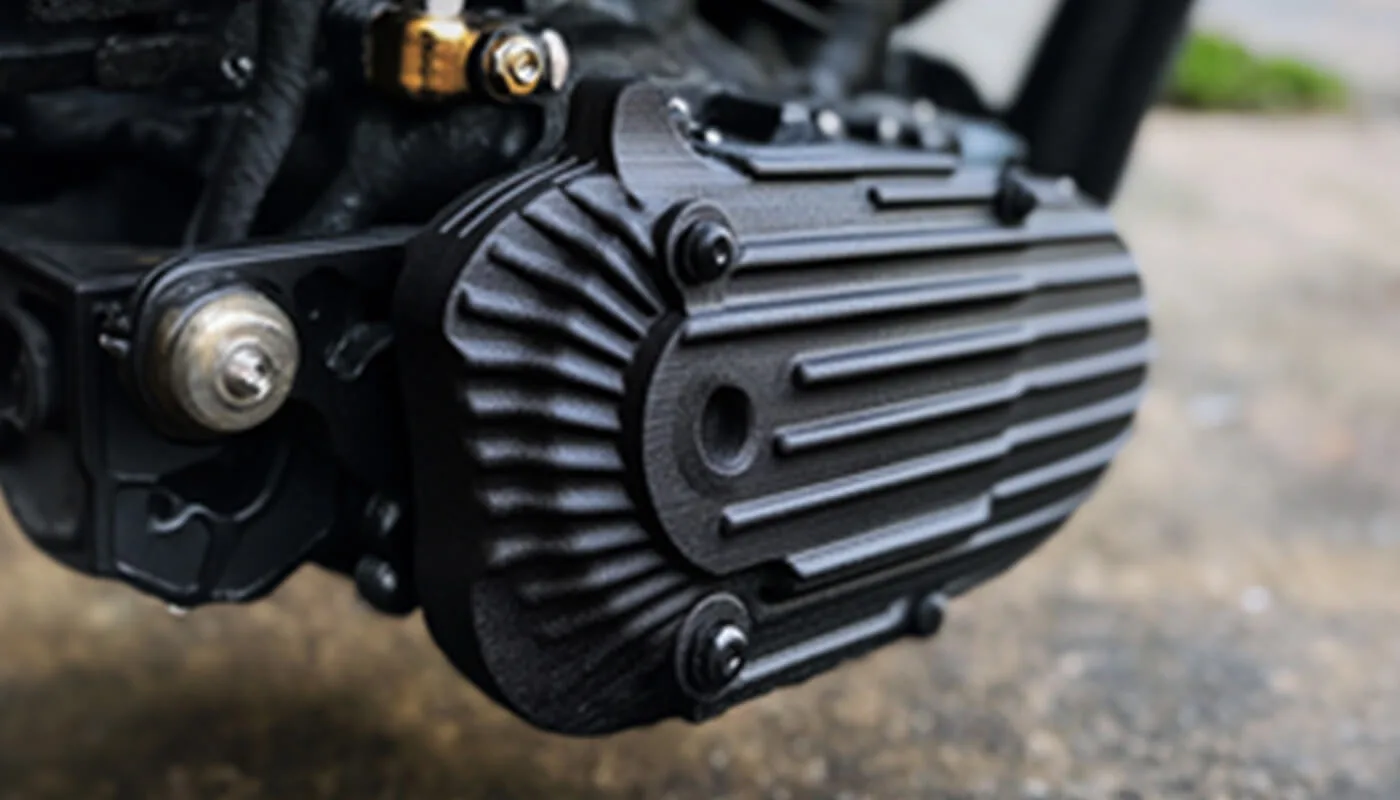
With a heat deflection temperature of up to 209°C, printed parts can maintain their dimensions and structural stability even under high-temperature conditions. Whether used for functional components in hot working environments or mechanical parts exposed to continuous heat sources, the material ensures reliable performance without significant temperature-related deformation. This excellent thermal stability expands application possibilities and guarantees durability under demanding conditions.
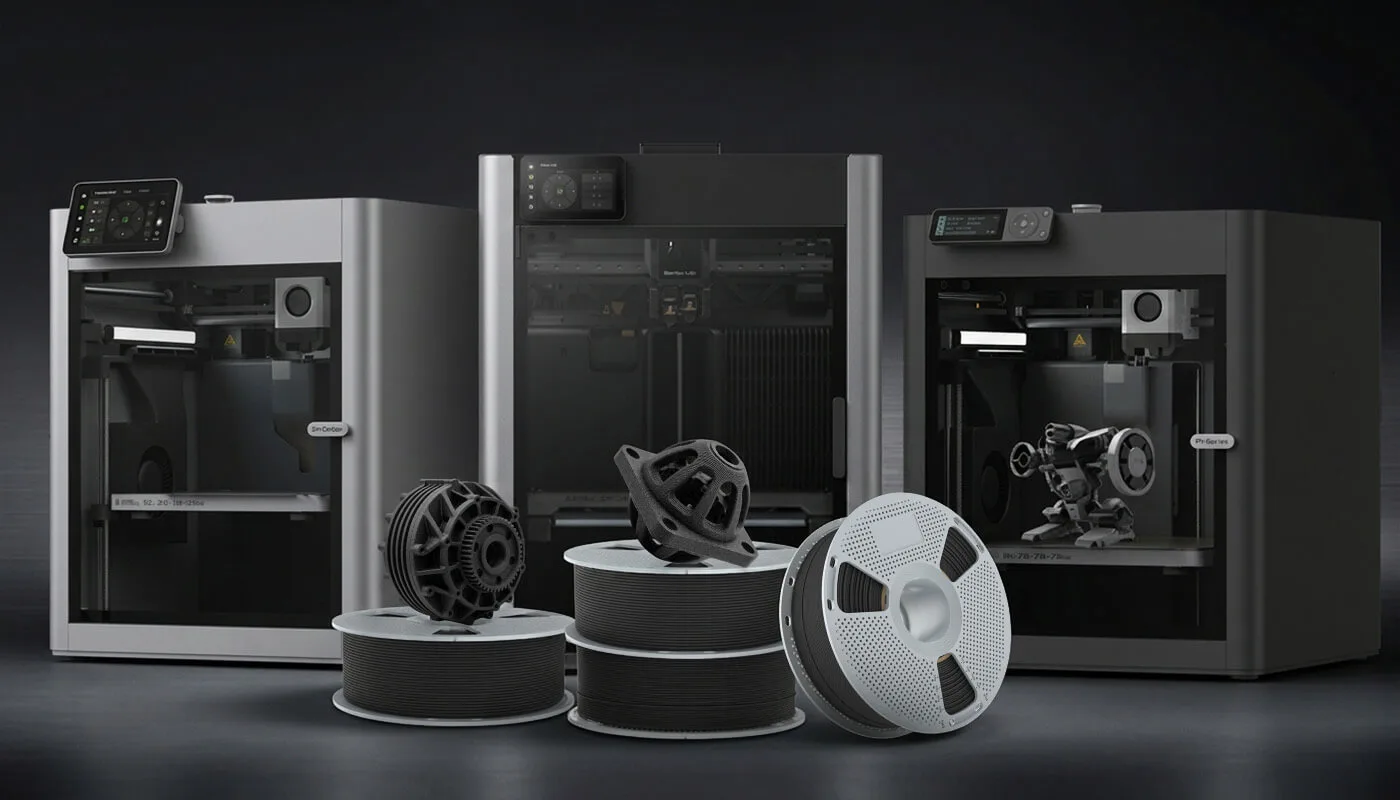
This filament has been extensively tested for compatibility with most FDM 3D printers available on the market, including desktop models and mainstream open-source machines. Users can enjoy a smooth plug-and-play printing experience without complicated calibration. The high compatibility saves adjustment and trial-and-error time, reduces material selection risks, and ensures stable, efficient, and highly successful printing performance while greatly improving the overall user experience.
Kayf3D PA12 Carbon Fiber (PA12-CF) offers lower moisture absorption and superior dimensional stability compared with PA6, making it suitable for printing high-precision engineering components.
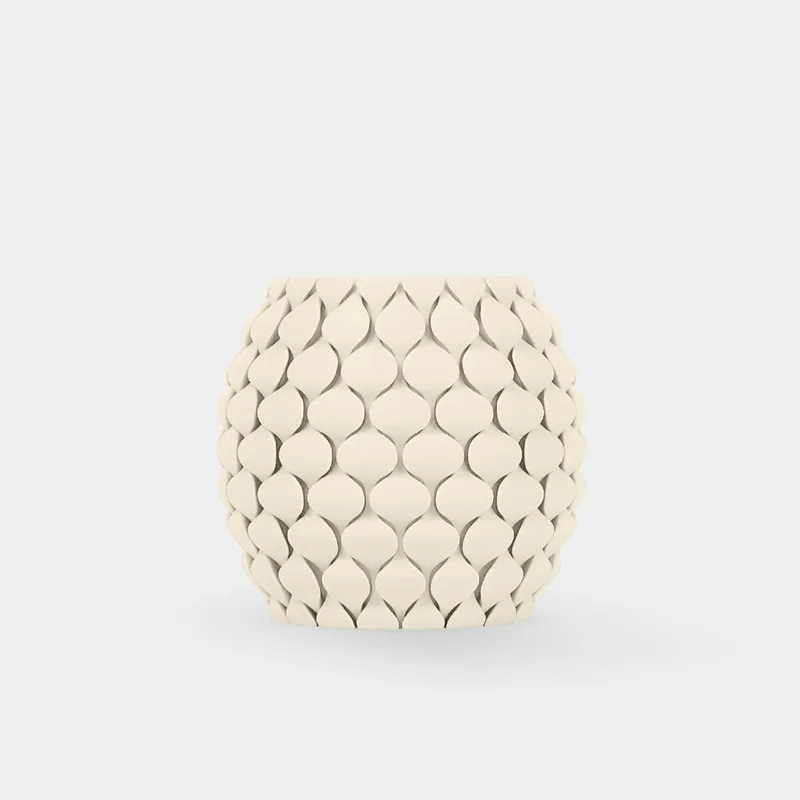
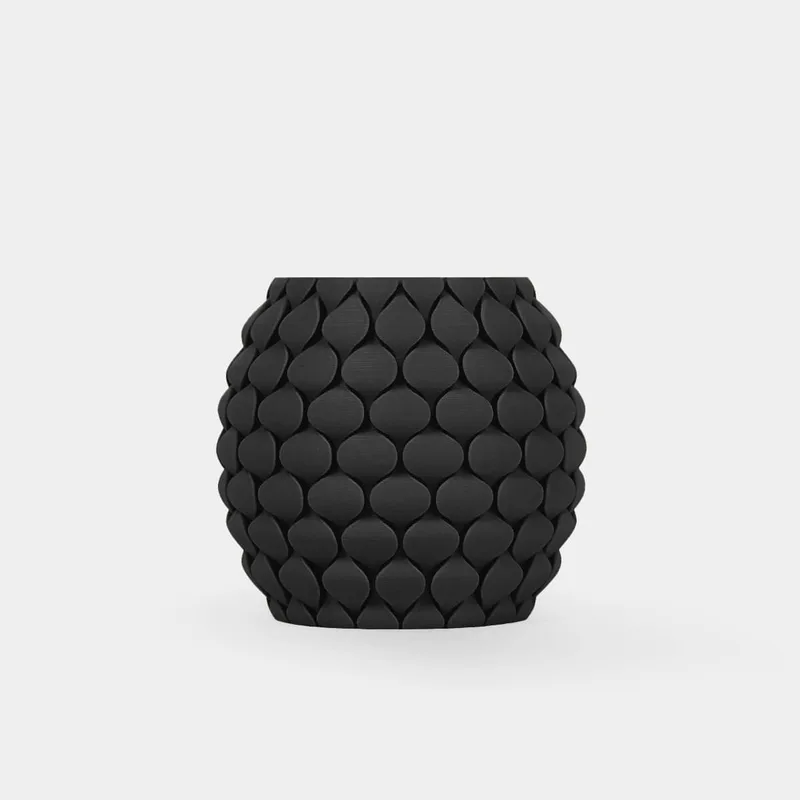
Kayf3D Easy PA is optimized for printability based on the high strength of nylon, reducing the impact of warping and moisture absorption.
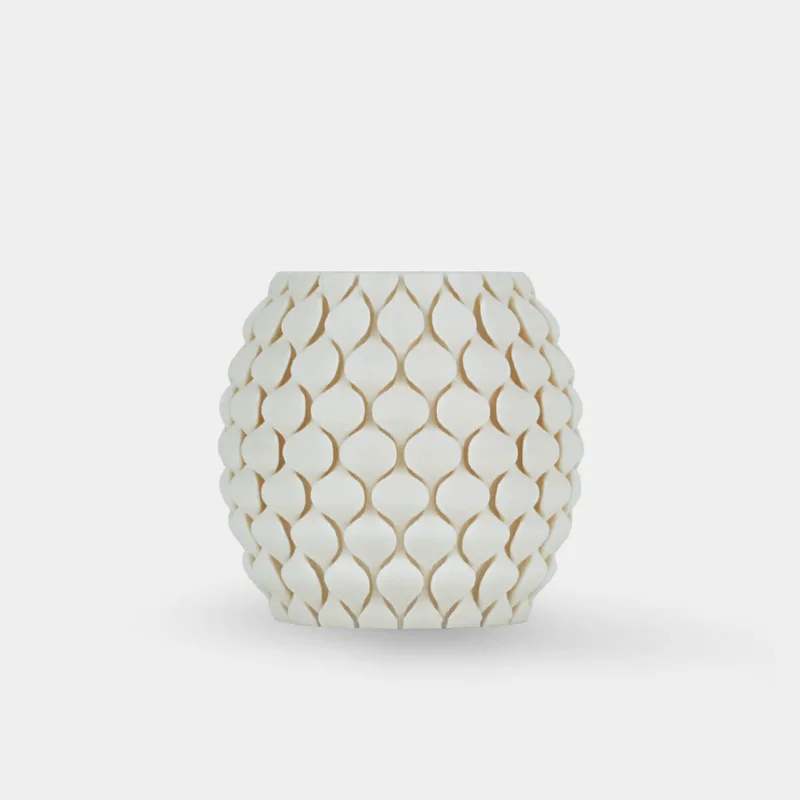
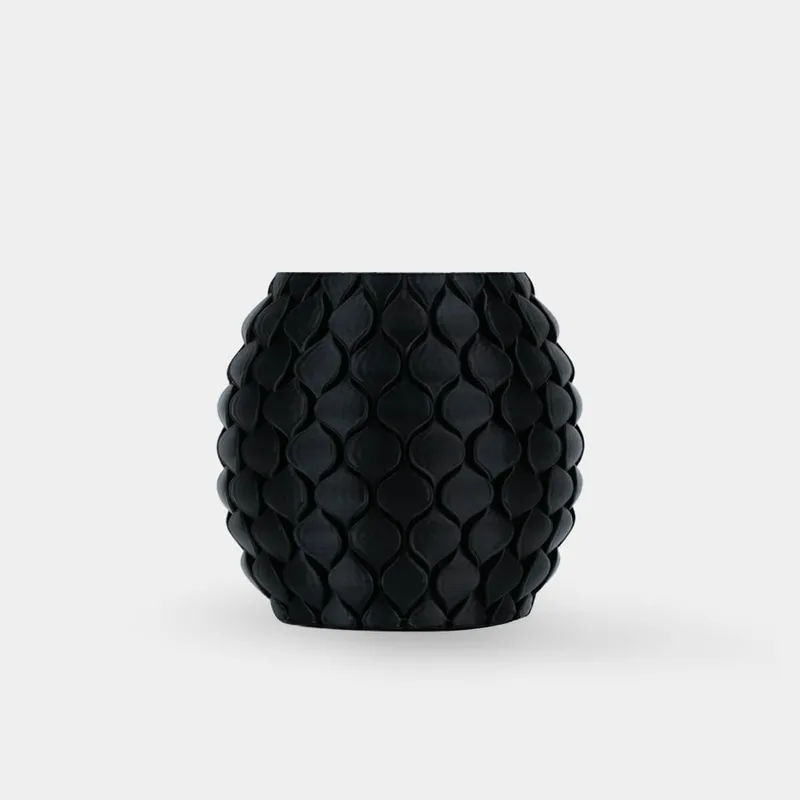
Kayf3D PC-ABS is a high-performance composite material that combines the strength of PC with the characteristics of ABS, offering excellent durability, heat resistance, toughness, and processing stability.
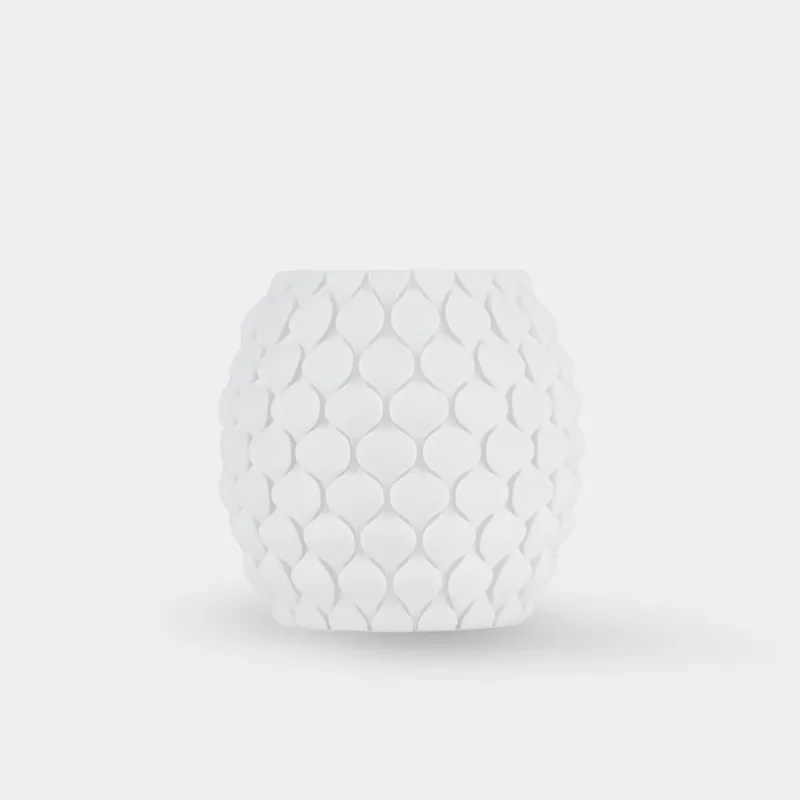
Kayf3D PC is a high-toughness, high-strength, and heat-resistant engineering plastic with excellent impact resistance.
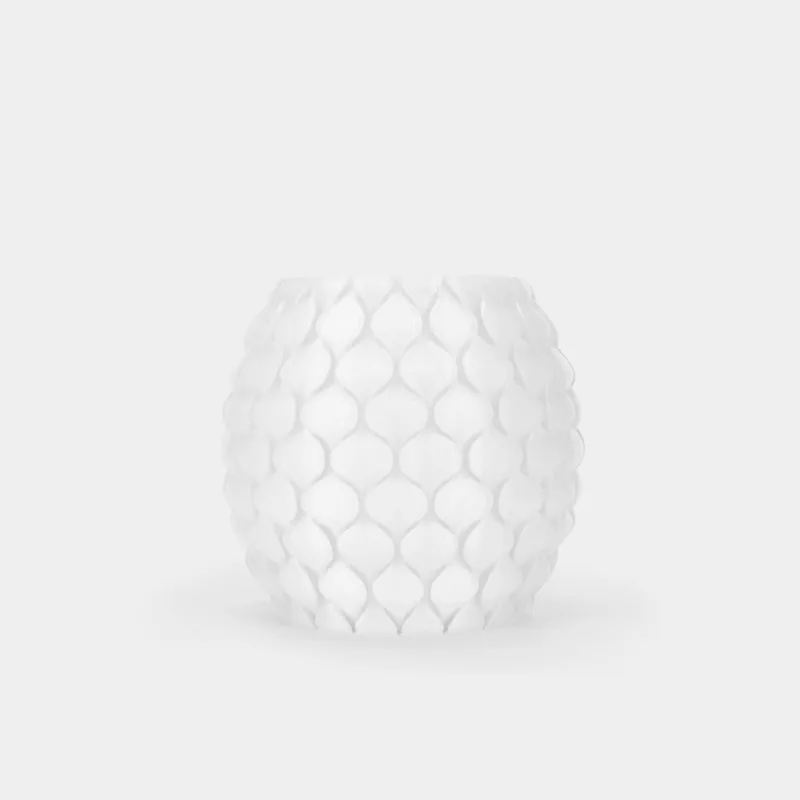
Kayf3D PP is a lightweight, low-density material with excellent chemical resistance and fatigue resistance, ideal to create fold-resistant and impact-resistant functional parts.
Kayf3D ABS-FR features V0 flame-retardant performance while maintaining strong mechanical properties and dimensional stability for safety-critical applications.